IVF Clinic in Delhi: PCOD and Ovulation Problems: How IVF Helps
.png)
Step by Step: How IVF works for PCOD patients
Ovarian Stimulation
Special fertility medicines are given to stimulate the ovaries.
This process is to produce multiple mature eggs instead of relying on the natural period process.
Monitoring and Preventing Complications
Doctors carefully observe hormone levels and follicle growth with the help of ultrasound and blood tests.
Through the advanced techniques, reduce the risk of common PCOD.
Egg Retrieval
Once eggs mature, they are collected from the ovaries using a minor process under anaesthesia in the Top IVF Clinic in Delhi.
Fertilisation in the Lab
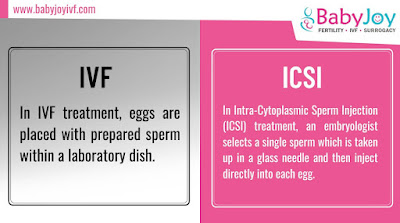
The collected eggs are combined with sperm in a lab to create embryos.
In some cases, ICSI ( Intracytoplasmic Sperm Injection ) is used, where a single sperm is directly injected into the egg.
Embryo Transfer
Healthy embryos are selected and transferred into the woman’s uterus.
This bypasses the natural ovulation problem completely.
Pregnancy Test
About two weeks after the embryo transfer, a pregnancy test confirms if IVF was successful.
Why IVF is Helpful in PCOD
Bypasses irregular ovulation.
Improves egg selection and embryo quality.
Controlled treatment reduces risks linked to hormonal imbalance.
Increase overall pregnancy and live birth rates with the help of the Best IVF Clinic in Delhi.
Conclusion
For women struggling with PCOD and Ovulation problems, IVF offers a scientifically proven hope to couples. The natural difficulties of irregular periods and poor egg quality, IVF increases the chances of conceiving under expert medical care. With the help of IVF treatment plans and advanced techniques, many women with PCOD have successfully achieved their pregnancy through this method. Suppose you are planning for the IVF treatment. In that case, it is important to consult with an experienced specialist who can guide you, and you also need to understand the factors like treatment options, success rates, and IVF Cost in Delhi, which will help you make a decision, and also it make your journey easy and smooth.
FAQ’s
How many days of rest after egg retrieval?
You should take a rest for at least 1 to 2 days after egg collection, and also avoid heavy activities.
Can PCOD women get pregnant with IVF?
Yes, PCOD patients can conceive with IVF. In fact, IVF is one of the most effective treatments for women who face ovulation issues due to PCOD, and if you have any queries related to this treatment, then you must visit your trusted IVF Clinic in Delhi, and they will guide you about this treatment.
IVF safe for women with PCOD?
Yes, that’s true, IVF is safe for women. Because IVF Doctors use advanced technology and careful observation to minimise the risk and ensure safety.
How many IVF cycles are usually needed for PCOD patients?
No, there is no fixed IVF cycle, because it depends on the woman’s age, ovarian reserve and individual condition.
What should I consider before choosing an IVF clinic?
You need to focus on experienced doctors, advanced technology, patient reviews and transparency of the cost of treatment.

.jpg)
Comments
Post a Comment